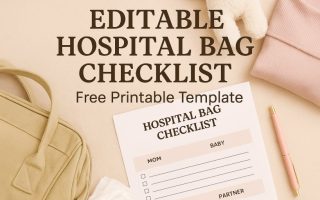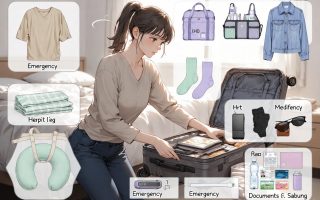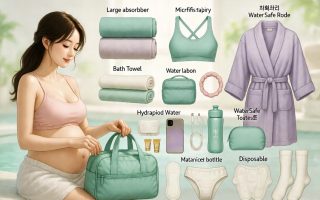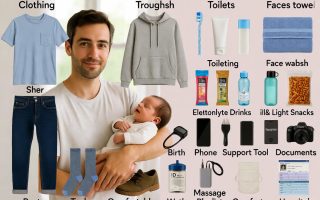

Preparing your labor and delivery bag checklist is one of the most important steps before giving birth. Unlike general hospital bag lists prepared weeks in advance, this checklist focuses specifically on what you need for the labor room, delivery experience, immediate postpartum recovery, and your baby’s first hours. Having the right essentials ready ensures comfort, reduces stress, and helps both you and your partner stay fully prepared for the big moment.
Quick Summary Table
| Category | Key Essentials |
|---|---|
| Mom (Labor) | Hospital gown, ID, birth plan, long charger, lip balm, hair ties |
| Mom (Postpartum) | Nursing bra, pads, going-home outfit, nipple cream, warm socks |
| Baby | Onesie, swaddle, diaper, hat, car seat |
| Partner | Clothes, charger, snacks, toiletries |
| Documents | ID, insurance card, hospital forms |
| Extras | Toiletries, camera, pillows, water bottle |
Why the Labor & Delivery Bag Needs a Special Checklist
The labor & delivery phase is physically intense, emotionally charged, and often unpredictable. Labor rooms are colder, delivery can take hours, and movement is limited during contractions or monitoring. You need specialized items such as a long phone charger, personal comfort tools, documents for hospital admission, and clothing designed for quick access during exams and postpartum checks. Baby items also differ from typical newborn packing because only immediate essentials are needed in the L&D room. This checklist is tailored for that unique experience.
When to Pack the Bag
The best time to pack your labor & delivery bag is between 32 and 36 weeks. Consider these timelines:
- Low-risk pregnancies: Pack by week 35.
- High-risk pregnancies: Pack by week 32.
- Twins: Pack by week 28–30.
- Planned induction: Pack 1–2 weeks before the date.
- Scheduled C-section: Pack 2 weeks before surgery.
Full Labor & Delivery Bag Checklist
1. Mom Essentials (Labor Room)
- Government ID and insurance card
- Printed birth plan (2–3 copies)
- Hospital gown or loose labor gown
- Comfortable robe for walking or early labor
- Non-slip socks
- Slip-on shoes or sandals
- Hair ties, clips, and headband
- Long phone charger (6–10 ft)
- Lip balm for dry hospital air
- Reusable water bottle
- Heating pad or hand warmers (if allowed)
- Favorite pillow or blanket (optional)
- Massage oil or tennis ball for back pressure
2. Mom Essentials (Postpartum Recovery)
- High-waisted underwear or disposable maternity briefs
- Heavy-duty maternity pads
- Nursing bra or loose bra
- Nipple cream for breastfeeding comfort
- Perineal spray or witch hazel pads
- Comfortable postpartum outfit
- Warm socks for chills after delivery
- Basic toiletries: toothbrush, toothpaste, shampoo, body wash, deodorant
- Face wipes and moisturizer
- Going-home outfit (soft and loose)
3. Baby Essentials
- 1–2 newborn onesies
- Receiving blanket for immediate swaddling
- Newborn hat and socks
- 1–2 diapers (hospital provides more)
- Water-based wipes
- Car seat installed beforehand
4. Partner Essentials
- 1–2 outfits for a long stay
- Snacks, drinks, mints
- Phone charger and power bank
- Camera or phone with free storage
- Wallet and ID
- Basic toiletries
- Notebook or phone app for tracking contractions
5. Labor Essentials
- Printed birth plan
- Headphones for music or relaxation tracks
- Stress ball or handheld fan
- Energy snacks (granola bars, glucose tablets)
- Chapstick and moisturizers
- Small towel or washcloth
6. Weather or Condition-Specific Items
- Summer: Lightweight clothing, breathable swaddles
- Winter: Thick socks, warm blanket, layered coming-home outfit
- Rainy Season: Waterproof bag cover, extra socks
- Dry Climate: Hydrating lotion and lip balm
What NOT to Pack
- Multiple baby outfits (you only need one)
- Bulky pillows or bedding
- Full beauty kits or hair tools
- Books or items requiring concentration
- Too much postpartum clothing
- Expensive jewelry or valuables
Common Mistakes Parents Make
- Forgetting long charging cables
- Not packing ID and insurance documents together
- Only bringing newborn size clothes (some babies need 0–3M)
- Overpacking snacks instead of essentials
- Leaving the car seat for last minute
Timeline Packing Guide
Week 28–32
- Start preparing baby items
- Organize medical documents
- Buy toiletries and postpartum essentials
Week 33–36
- Fully pack the labor & delivery bag
- Prepare partner’s essentials
- Install car seat
Week 37–40
- Keep bag near front door
- Double-check documents and chargers
- Update birth plan if needed
Expert Tips
- Pack two baby outfit sizes: NB and 0–3M.
- Use zip bags to separate mom, baby, and partner items.
- Bring a long charger because hospital outlets are far away.
- Include a small snack kit for long labor hours.
- Have toiletries ready in a travel pouch.
- Keep documents in a waterproof folder.
- Bring a lightweight blanket for comfort.
- Wear slip-on shoes to the hospital for fast movement.
Conclusion
This labor and delivery bag checklist gives you everything needed for the hospital stay—from labor to delivery to early postpartum recovery. With these essentials packed and ready, you can focus entirely on your birth experience with calm and confidence. For more guidance on preparing for birth, you may also find our comprehensive Hospital Bag Checklist for Mom especially helpful.
FAQ
1. When should I pack my labor and delivery bag?
Pack between 32 and 36 weeks, earlier if high-risk or expecting twins.
2. Do I need to pack diapers?
Most hospitals provide diapers, but one or two extras are helpful.
3. How many outfits does my baby need?
One going-home outfit and a swaddle are enough.
4. Should I bring my own hospital gown?
You can, but hospital gowns are available if you prefer simplicity.
5. What is the most important item besides documents?
A long phone charger, as outlets are usually far from the bed.