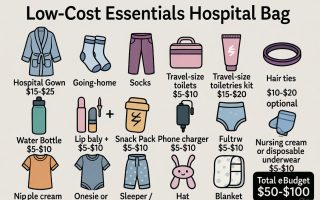

Learning how to prepare for labor mentally is one of the most important steps you can take during pregnancy. While physical preparation is essential, your mindset, emotional resilience, and ability to stay calm during contractions will play an even bigger role in your birth experience. This guide provides evidence-based techniques, daily exercises, grounding tools, and mindset strategies to help you face labor with confidence rather than fear. For additional birth preparation support, you can also explore our complete Hospital Bag Checklist.
Quick Summary: Mental Preparation for Labor
| Category | What It Includes |
|---|---|
| Mindset Training | Affirmations, visualizations, reframing fears |
| Relaxation Skills | Breathing techniques, meditation, grounding tools |
| Birth Knowledge | Stages of labor, pain management options |
| Support System | Partner scripts, doula guidance, communication |
| Preparation Tools | Music playlist, comfort items, coping bag |
Why Mental Preparation for Labor Matters
Your mindset can directly influence your contraction tolerance, pain perception, birth experience, and postpartum transition. When you understand how your body works during labor, fear decreases, confidence increases, and you respond more calmly to intensity. A mentally prepared mother is more flexible, more grounded, and better able to advocate for herself during childbirth.
- Reduces fear of the unknown
- Lowers anxiety during early labor
- Improves breathing and coping ability
- Helps you stay calm during medical decisions
- Promotes a positive and empowered birth experience
When Should You Start Preparing Mentally for Labor?
- Start: Week 20–24 (light mindset work)
- Deep mental prep: Week 32–36
- Daily practice: Weeks 37–40
How to Prepare for Labor Mentally: Complete Guide
1. Understand the Stages of Labor
Fear often comes from not knowing what to expect. Learn the basics:
- Early labor
- Active labor
- Transition
- Pushing and delivery
The more knowledge you gain, the more control you feel emotionally.
2. Practice Labor Breathing Techniques
- 4-7-8 breathing
- Slow belly breathing
- Patterned counting breaths
- Exhale-focused relaxation
Breathing helps ground the nervous system and keeps panic away.
3. Create a Birth Affirmation Routine
- “My body knows how to give birth.”
- “Each wave brings me closer to my baby.”
- “I breathe in strength, I breathe out tension.”
4. Use Visualization Exercises
- Picture contractions as ocean waves
- Visualize the cervix opening smoothly
- Imagine holding your baby after birth
5. Build a Coping Toolbox
- Stress ball or massage roller
- Eye mask
- Noise-canceling headphones
- Birth playlist
- Aromatherapy
6. Learn About Pain Management Options
- Epidural
- Nitrous oxide
- Breathing-based pain coping
- Movement and position changes
- Counterpressure
7. Communicate Your Fears Openly
Discuss fears with your partner, doctor, or doula. Naming your fears reduces their power.
8. Prepare Your Partner with Support Techniques
- How to speak calmly during contractions
- How to guide breathing
- How to provide counterpressure
- How to advocate for your needs
9. Build a Calming Environment for Labor
- Soft lighting
- Warm blanket
- Comfort playlist
- Aromatherapy (if allowed)
10. Reduce Birth Anxiety Through Knowledge
Take a childbirth class, watch hospital tour videos, or follow birth educators to normalize the process and reduce fear.
11. Practice Daily Relaxation Before Birth
- 10-minute meditation
- Journaling worries and releasing them
- Gentle stretching or prenatal yoga
12. Prepare for Unexpected Scenarios
Mental flexibility reduces panic during changes to your birth plan. Mentally rehearse phrases like:
“If things change, I will stay calm and make the best decisions for my baby.”
What NOT to Do When Preparing Mentally
- Don’t binge-watch emergency birth videos
- Don’t read negative birth stories close to due date
- Don’t assume everything will go wrong
- Don’t avoid discussing your fears
Common Mistakes When Preparing for Labor Mentally
- Starting mental prep too late
- Focusing only on physical items and ignoring mindset
- Believing labor must be traumatic
- Not practicing breathing before labor
- Going in without support communication
Week-by-Week Mental Preparation Plan
Weeks 20–24
- Learn the stages of labor
- Start light affirmation work
Weeks 25–31
- Practice breathing techniques
- Start visualization exercises
Weeks 32–36
- Daily relaxation practice
- Prepare coping tools
- Discuss fears with your provider
Weeks 37–40
- Strengthen affirmations
- Practice grounding during Braxton Hicks
- Review your birth mindset plan
Expert Tips for Mental Labor Preparation
- Create a “comfort playlist” of 20–30 calming songs.
- Practice breathing during pregnancy cramps to simulate contractions.
- Learn counterpressure techniques with your partner.
- Use scent association: smell a calming scent while practicing relaxation.
- Pack a mental-coping bag for the hospital.
- Repeat affirmations daily for confidence.
Conclusion
Understanding how to prepare for labor mentally empowers you to approach childbirth with confidence, calmness, and emotional strength. With the right mindset tools, support system, and daily preparation routine, you can transform fear into trust and overwhelm into confidence. For more labor and delivery preparation guides, visit this related article, including our helpful Hospital Bag Checklist for 3rd Trimester.
FAQ
1. How early should I start preparing mentally for labor?
Start light mindset work around week 20 and begin deeper mental training by week 32.
2. What is the best mental technique for labor?
Breathing techniques combined with visualization are the most effective.
3. How can I reduce fear of giving birth?
Understanding labor, practicing relaxation, and discussing fears openly help significantly.
4. Can my partner help with mental preparation?
Yes—partners can guide breathing, provide counterpressure, and offer emotional grounding.
5. Does mental preparation really make labor easier?
Yes—it reduces panic, improves pain tolerance, and increases birth satisfaction.