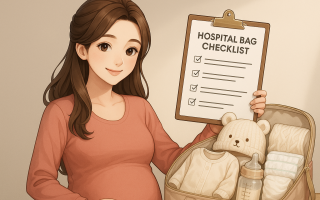
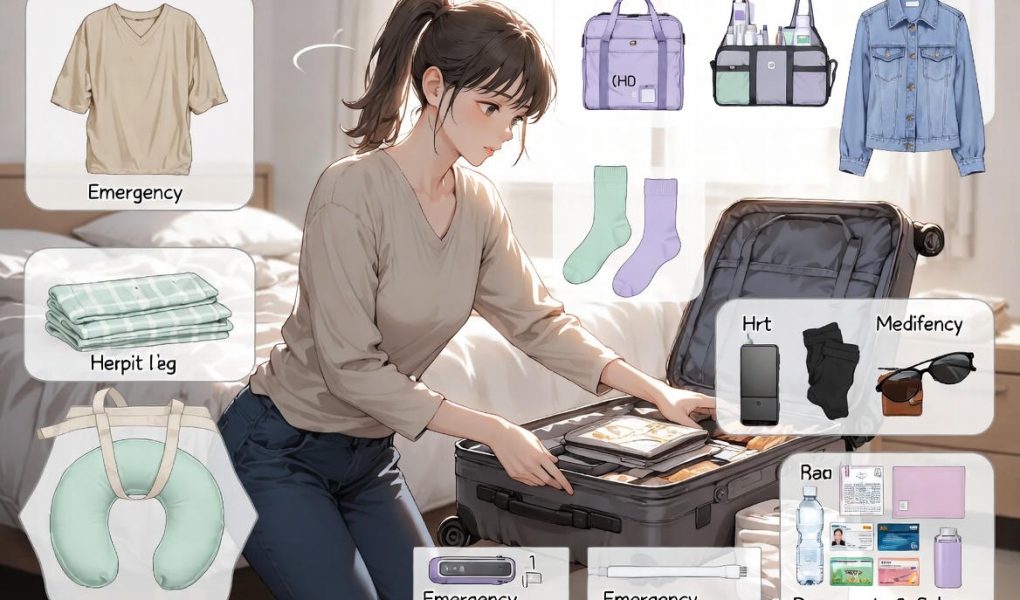
An unexpected hospital visit can happen at any time due to sudden illness, injury, severe pain, pregnancy complications, or urgent medical evaluations. Having a prepared hospital bag checklist for emergency ensures you or your loved ones can leave quickly without forgetting vital essentials. This guide covers everything required for a fast, stress-free emergency admission—documents, medications, clothing, comfort tools, tech items, and caregiver essentials.
Quick Summary Table
| Category | Emergency Essentials |
|---|---|
| Documents | ID, insurance, medical records, medication list |
| Medications | Daily meds, emergency meds, pill organizer |
| Clothing | Robe, socks, change of clothes |
| Hygiene | Toiletries, wipes, tissues |
| Comfort | Blanket, lip balm, headphones |
| Tech | Phone, charger, power bank |
| Caregiver | Snacks, notebook, charger |
Why You Need an Emergency Hospital Bag
Emergency admissions often happen at night or when symptoms escalate quickly. In these moments, people forget essential items like medications, chargers, and documents. A pre-packed emergency hospital bag allows for immediate action, reduces anxiety, avoids delays in treatment, and ensures the patient is comfortable and safe.
When to Pack Your Emergency Hospital Bag
- Chronic illness: Keep a packed bag at all times.
- High-risk pregnancy: Prepare by week 30.
- Elderly or disabled patients: Maintain a permanent bag.
- Anyone with recurring medical issues: Keep essentials ready year-round.
Full Emergency Hospital Bag Checklist
1. Essential Documents
- Government ID
- Insurance card
- Medical records (digital or printed)
- List of medications with dosages
- List of allergies
- Emergency contact sheet
- Doctor contact information
- Advance directives (if applicable)
2. Medications & Medical Tools
- All daily medications
- Pill organizer
- Emergency medications (inhaler, epipen, etc.)
- Diabetes supplies (glucometer, strips)
- Blood pressure log or monitor (optional)
3. Clothing & Comfort
- Loose, comfortable clothing
- Robe or warm sweater
- Non-slip socks
- Spare underwear
- Slip-on shoes
- Light blanket or shawl
- Sleep mask (for overnight stays)
4. Hygiene & Toiletries
- Toothbrush + toothpaste
- Face wipes
- Moisturizer
- Deodorant
- Tissues + wet wipes
- Hand sanitizer
- Dry shampoo
5. Technology Essentials
- Phone + long charger
- Power bank
- Tablet + earbuds (optional)
- List of important digital documents
6. Snacks & Hydration
- Crackers or nutritional bars
- Instant soup cups
- Electrolyte packets
- Water bottle (if allowed)
7. Caregiver Essentials
- Notebook for medical updates
- Phone charger
- Snacks and drinks
- Small blanket
- Cash for parking or vending machines
What NOT to Pack in an Emergency Hospital Bag
- Valuable jewelry
- Large electronics
- Bulky blankets
- Too many clothes
- Food that spoils easily
- Strong fragrances
Common Emergency Bag Mistakes
- Forgetting daily medications
- No chargers or power bank
- Packing too many clothes
- No emergency contact sheet
- Leaving snacks unprepared for long waits
- Not labeling medical devices
Emergency Bag Packing Timeline
Always Keep Ready
- Documents
- Basic toiletries
- Emergency medication list
Replace Weekly
- Snacks
- Hydration drinks
Add During Departure
- Daily medications
- Phone and charger
Expert Tips
- Use a bright-colored bag that is easy to spot.
- Keep all documents in a waterproof folder.
- Store duplicate chargers in the bag.
- Label medications clearly.
- Pack a small blanket for comfort during long waits.
- Share the bag location with family members.
Conclusion
A well-prepared hospital bag checklist for emergency ensures you can leave home quickly, safely, and with total confidence. With essential documents, medications, comfort items, and caregiver supplies packed early, emergency hospital visits become far less stressful. For more medical preparation guides, you may also find our helpful Hospital Bag Checklist for Epidural Moms especially useful.
FAQ
1. What is the most important item for an emergency hospital bag?
Your medication list and ID—these are crucial for fast treatment.
2. Should I keep a permanent emergency hospital bag?
Yes—especially for seniors, chronic patients, or high-risk pregnancies.
3. What clothes are best for emergency hospital visits?
Loose, comfortable clothing that is easy to change into.
4. Do I need snacks in an emergency bag?
Yes—emergency rooms often involve long waiting times.
5. Should caregivers pack their own supplies?
Yes—caregivers need notebooks, snacks, and chargers to stay prepared.