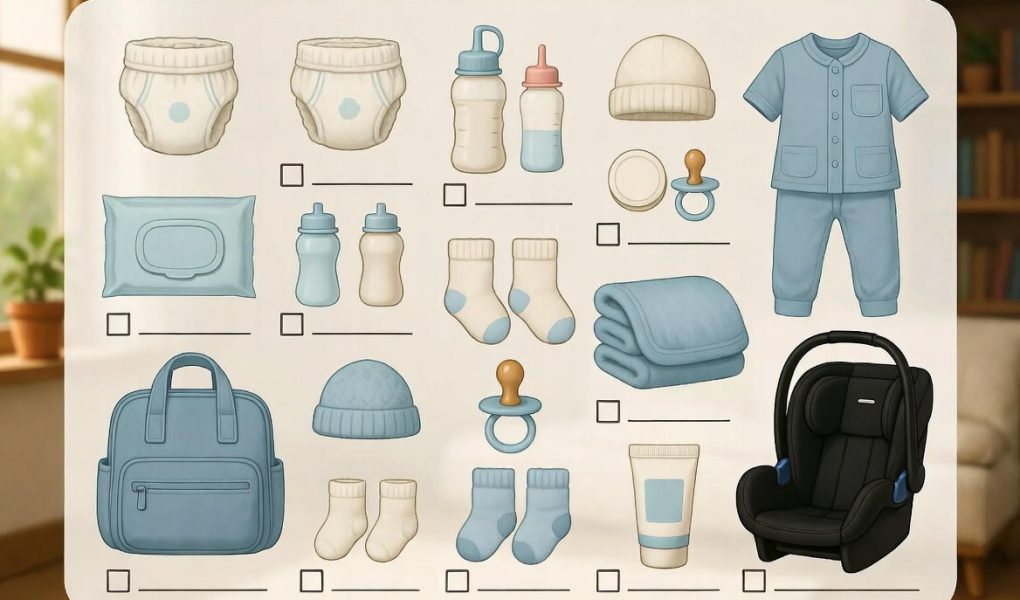
Preparing your diaper bag checklist for the hospital is one of the most important steps before welcoming your baby. While the hospital provides many newborn basics, having your own organized diaper bag ensures your baby stays comfortable, clean, and ready for going-home day. A well-prepared diaper bag helps you avoid last-minute stress, keeps essentials within reach, and guarantees your newborn’s needs are covered from birth to discharge.
Quick Summary Table
| Category | Key Newborn Essentials |
|---|---|
| Diapering | Diapers, wipes, diaper cream, disposable bags |
| Clothing | Onesies, swaddle, hat, socks, going-home outfit |
| Feeding | Bibs, burp cloths, formula (if needed) |
| Comfort | Blanket, mittens, pacifier (optional) |
| Documents | Birth plan, ID copies, pediatrician info |
| Extras | Hand sanitizer, extra zip bags, thermometer |
Why the Diaper Bag for the Hospital Needs a Special Checklist
A diaper bag used for the hospital stay has different requirements from a regular outing bag. Instead of packing for hours, you’re packing for 1–3 days. Babies may need size variations, extra swaddles, or special skincare items. Temperature regulation in hospitals can also require specific layers. This checklist focuses only on essentials newborns actually need during their first days of life—not typical travel items.
When to Pack the Bag
The best time to prepare your diaper bag for the hospital is between 32 and 36 weeks. Use the following timeline:
- Week 28–32: Buy newborn essentials like diapers, wipes, onesies.
- Week 32–34: Start assembling the diaper bag with neutral items.
- Week 35–36: Add going-home outfit and final items.
- High-risk pregnancies: Pack by week 30.
Full Diaper Bag Checklist for the Hospital
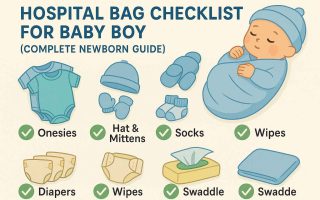
1. Diapering Essentials
- 6–8 newborn diapers (hospital provides more, but extras help)
- Water-based baby wipes
- Diaper cream or ointment
- Portable changing pad
- Disposable diaper sacks for odor control
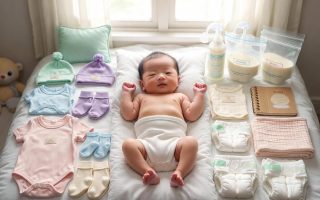
2. Clothing Essentials
- 2–3 newborn onesies
- 1–2 baby hats
- Baby mittens to prevent scratching
- Soft newborn socks
- Light swaddle or muslin blanket
- Warm receiving blanket
- Going-home outfit (NB + 0–3M in case baby is bigger)
3. Feeding Essentials
- Burp cloths (2–3)
- Bibs for bottle or formula feeding
- Formula + bottle (if not breastfeeding or if needed)
- Feeding log sheet (optional)
4. Baby Comfort Essentials
- Pacifier (optional)
- Soft baby blanket
- Skin-safe baby lotion
- Small thermometer for going-home check
5. Parent Essentials (in Diaper Bag Section)
- Hand sanitizer
- Mini first-aid pouch
- Notepad with pediatrician information
- Insurance copies + ID copies
- Small zip bags for dirty clothes
6. Weather or Season-Specific Items
- Summer: Breathable onesies, thin swaddle, sunshade for car seat
- Winter: Thick hat, fleece blanket, warm socks
- Rainy season: Waterproof bag cover
- Dry climates: Hydrating baby lotion
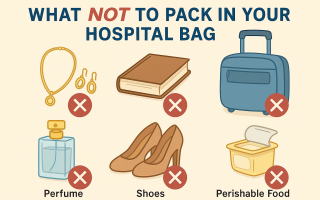
What NOT to Pack
- Too many diapers (hospital supplies most)
- Large toy items
- Multiple blankets (1–2 is enough)
- Fancy outfits uncomfortable for newborns
- Scented lotions or strong fragrances
- Bulky feeding supplies you won’t use
Common Mistakes Parents Make
- Bringing only newborn size clothes (some babies need 0–3M)
- Packing unnecessary toys instead of essentials
- Forgetting burp cloths
- Not organizing items in zip bags
- Ignoring weather conditions for going-home day
Timeline Packing Guide
Week 28–32
- Purchase newborn clothing and diapering supplies
- Choose a durable diaper bag
Week 33–34
- Add swaddles, wipes, and diapers
- Prepare feeding items
Week 35–36
- Add going-home outfit
- Include weather-specific items
- Store diaper bag near car seat
Expert Tips for Packing a Diaper Bag for the Hospital
- Use zip bags to organize clothing, diapering, and feeding items separately.
- Pack two outfit sizes to avoid fit issues.
- Bring fragrance-free skincare to avoid newborn irritation.
- Include a backup blanket for temperature variations.
- Keep a small bottle of hand sanitizer accessible.
- Ensure the car seat is installed before week 36.
- Don’t overpack—focus on essentials only.
- Keep diaper bag lightweight for easier movement after labor.
Conclusion
This diaper bag checklist for the hospital ensures your newborn has everything needed for the first 24–48 hours—from diapering and feeding to comfort and going-home safety. With a properly packed diaper bag, you can focus on bonding, resting, and enjoying your baby’s arrival. For more newborn preparation tips, you may also find our helpful Hospital Bag Checklist for Baby especially useful.
FAQ
1. How many diapers should I pack for the hospital?
Bring 6–8 diapers; the hospital will provide additional supplies.
2. Do I need to bring wipes?
Yes, pack a travel pack of fragrance-free wipes.
3. Should I bring formula?
Only if you plan to formula-feed or supplement; hospitals also offer options.
4. How many outfits does my newborn need?
One swaddle and one going-home outfit are usually enough.
5. Do I need a diaper bag at the hospital if the hospital provides supplies?
Yes, because personal items like clothes, blankets, and comfort essentials are still needed.