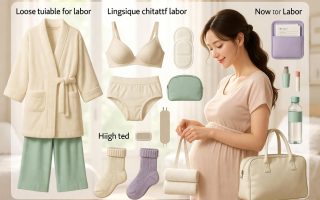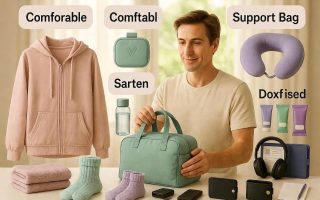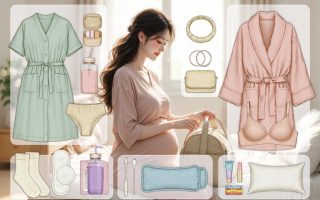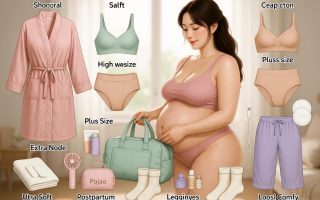
Preparing your postpartum recovery bag checklist is just as important as packing for labor. While most expectant mothers focus on what to bring for delivery, the hours and days after birth require a completely different set of items. Postpartum recovery can involve discomfort, swelling, bleeding, breastfeeding challenges, and emotional changes. This guide provides a comprehensive checklist designed specifically to support healing, comfort, and confidence during your first days as a new mom.
Quick Summary Table
| Category | Key Postpartum Items |
|---|---|
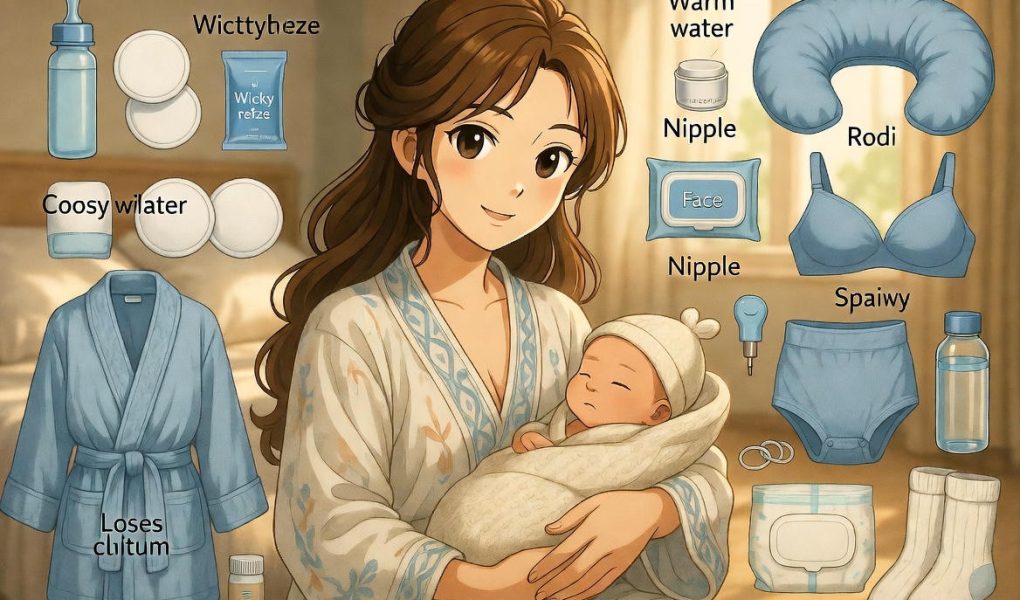
| Perineal Care | Peri bottle, witch hazel pads, cooling spray, warm water wipes |
| Breastfeeding | Nipple cream, nursing bra, breast pads, feeding pillow |
| Comfort | Cozy socks, robe, loose clothing, postpartum underwear |
| Hygiene | Toiletries, face wipes, hair ties |
| Baby | Onesies, diapers, wipes, swaddle |
| Extras | Snacks, charger, water bottle, documents |
Why the Postpartum Recovery Bag Needs a Special Checklist
Postpartum recovery is far more intense than most new parents expect. Whether you had a vaginal birth or a C-section, your body will need significant support. Items like cooling sprays, peri bottles, absorbent pads, and soft underwear directly impact your comfort and healing. Breastfeeding supplies help reduce nipple pain and make early feeding smoother. Having the right recovery tools packed ensures you can focus on bonding with your baby rather than searching for supplies.
When to Pack the Bag
The ideal time to pack your postpartum recovery bag is between 32 and 36 weeks. Use this timeline:
- Week 28–30: Buy postpartum care products.
- Week 31–34: Add breastfeeding essentials and toiletries.
- Week 35–36: Complete the bag and place it near the door.
- High-risk moms: Pack fully by week 30.
Full Postpartum Recovery Bag Checklist
1. Perineal + Physical Recovery Essentials
- Peri bottle for cleansing after bathroom use
- Witch hazel pads for soothing
- Cooling perineal spray or foam
- Disposable postpartum underwear
- Thick maternity pads
- Ice packs (gel or instant)
- Epsom salt (if hospital allows sitz baths)
- Comfortable high-waisted underwear for C-section recovery
- Belly support band (optional)
2. Breastfeeding Essentials
- Nursing bra or tank
- Nipple cream with lanolin
- Disposable or reusable breast pads
- Breastfeeding pillow for support
- Hand pump (optional for engorgement relief)
3. Hygiene & Toiletries
- Toothbrush + toothpaste
- Shampoo and conditioner (travel-size)
- Body wash
- Face wipes
- Dry shampoo
- Deodorant
- Hairbrush, clips, ties
- Lip balm
- Moisturizer for dry postpartum skin
4. Comfort & Clothing
- Loose, soft pajamas
- Robe for easy nursing access
- Warm socks for postpartum chills
- Slippers or easy slip-on shoes
- Going-home outfit (stretchy and soft)
5. Baby Essentials
- Newborn onesie
- Swaddle blanket
- Newborn hat + socks
- Diapers (hospital provides most)
- Water-based wipes
- Car seat installed prior to delivery
6. Partner Essentials
- Change of clothes
- Snacks + drinks
- Phone charger
- Basic toiletries
- Wallet + ID
7. Extras for Comfort + Stress Relief
- Water bottle for hydration
- Long phone charger
- Pillow from home
- Skin-to-skin blanket for baby
- Notepad for questions to ask nurses
What NOT to Pack
- Your entire breastfeeding pump kit
- Multiple baby outfits—one is enough
- Heavy blankets or bulky pillows
- Expensive jewelry or valuables
- Books you won’t have time to read
- Pre-pregnancy clothing (they will not fit yet)
Common Mistakes People Make
- Not bringing nipple cream for early breastfeeding pain
- Packing only cute underwear instead of postpartum-friendly styles
- Forgetting face wipes or dry shampoo
- Bringing too many baby items
- Not packing their own pillow for better rest
Timeline Packing Guide
Week 28–30
- Buy perineal care products
- Research breastfeeding supplies
- Organize postpartum underwear and pads
Week 31–34
- Add toiletries and comfort items
- Prepare nursing bras and breast pads
- Wash baby’s going-home outfit
Week 35–36
- Complete the recovery bag
- Place the bag near the door
- Install the infant car seat
Expert Tips
- Pack two types of underwear: disposable and cotton high-waisted.
- Use zip bags to separate perineal, breastfeeding, and hygiene items.
- Bring maternity pads even if your hospital provides some.
- Choose pajamas with buttons for easy breastfeeding.
- Pack an extra phone charger for your partner.
- Moisturize your skin daily to reduce postpartum dryness.
- Keep snacks handy during nighttime feedings.
- Take a soft blanket to improve sleep comfort.
Conclusion
This postpartum recovery bag checklist gives you everything you need for a smooth, comfortable healing experience after birth. With the right essentials prepared ahead of time, you can focus on bonding with your baby and easing into motherhood with confidence. For more preparation guides, explore this comprehensive Hospital Bag Checklist to stay fully prepared from pregnancy through postpartum recovery.
FAQ
1. When should I pack my postpartum recovery bag?
Pack between 32 and 36 weeks, earlier if high-risk or expecting twins.
2. Do hospitals provide postpartum pads?
Most hospitals provide some pads, but bringing extra heavy-duty ones is helpful.
3. Do I need a nursing pillow in the hospital?
It is not required but extremely helpful for early breastfeeding support.
4. How many outfits should I bring for postpartum?
Two loose outfits and a going-home outfit are enough.
5. Should I bring all breastfeeding supplies?
No. Only bring nipple cream, bra, and breast pads—leave pumps at home.